15 Nov 2026
Token Dynamics Reshaping Participation Trends Across Decentralized Reel Ecosystems
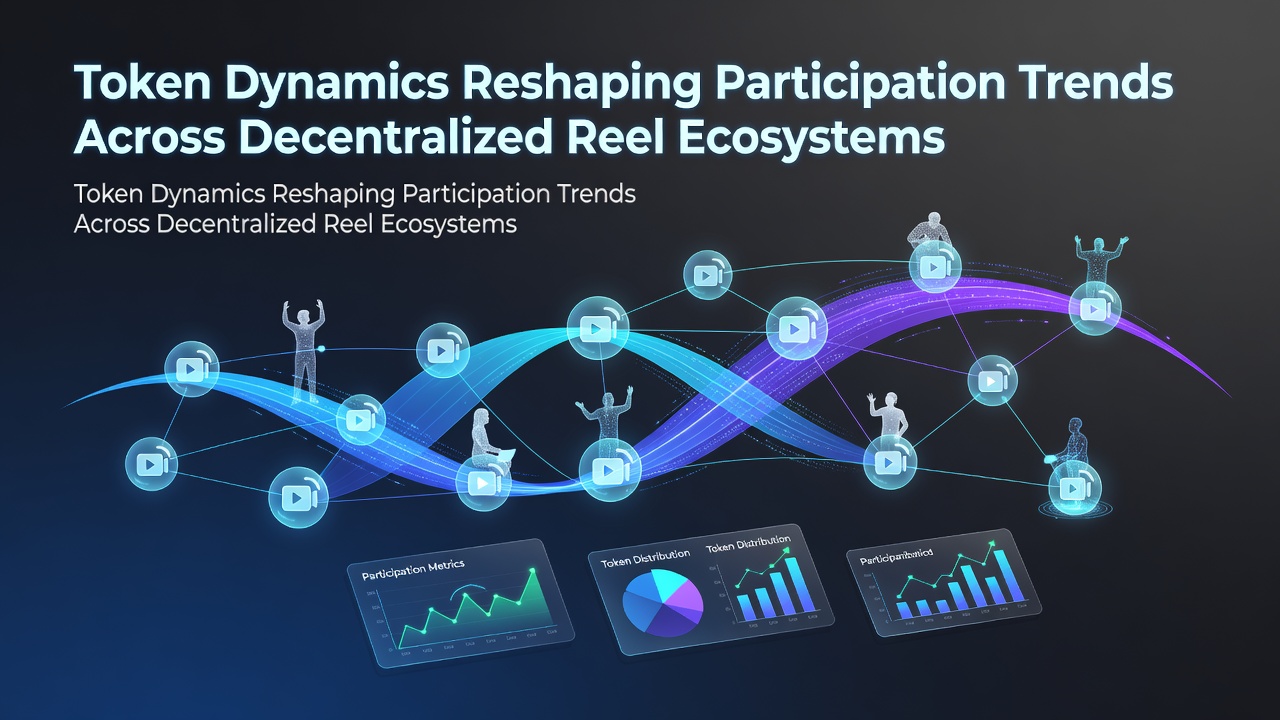
Token mechanisms continue to influence how participants engage with decentralized reel ecosystems, where blockchain-based systems manage reel-style gaming interfaces through smart contracts and distributed ledgers. Researchers tracking these platforms note shifts in user activity tied to staking requirements, governance voting power, and liquidity incentives that emerged prominently by late 2025.
Core Token Structures Driving Engagement
Utility tokens often serve as entry points for accessing reel features while governance tokens grant voting rights on protocol upgrades, and observers have documented how these dual structures alter retention rates across multiple chains. Data from network analytics firms shows that ecosystems incorporating burn mechanisms alongside reward distributions recorded higher daily active addresses in the first three quarters of 2026 compared to those relying solely on inflationary models.
Participation patterns reveal that token holders who lock assets for extended periods tend to influence reward allocation rules more frequently, creating feedback loops where early stakers accumulate disproportionate influence over ecosystem parameters. Studies conducted by academic groups at institutions in Canada and Australia highlight correlations between token velocity and session lengths, with lower velocity typically coinciding with sustained user involvement rather than rapid exits.
Shifts Observed Through November 2026
By November 2026, several networks reported measurable changes in participation metrics following upgrades to token emission schedules, and these adjustments coincided with broader adoption of cross-chain bridging tools that allow reel participants to move assets without centralized intermediaries. Figures released by the European Blockchain Observatory indicate that ecosystems emphasizing transparent on-chain treasury management attracted larger shares of new addresses during the preceding twelve months.
Regional Regulatory Contexts
Authorities in different jurisdictions continue to examine how token classifications affect platform operations, with the Australian Transaction Reports and Analysis Centre publishing guidance on compliance obligations for decentralized applications handling reel mechanics. Meanwhile, state-level regulators in the United States have begun requiring disclosures around token distribution schedules when platforms seek operating approvals in multiple markets.
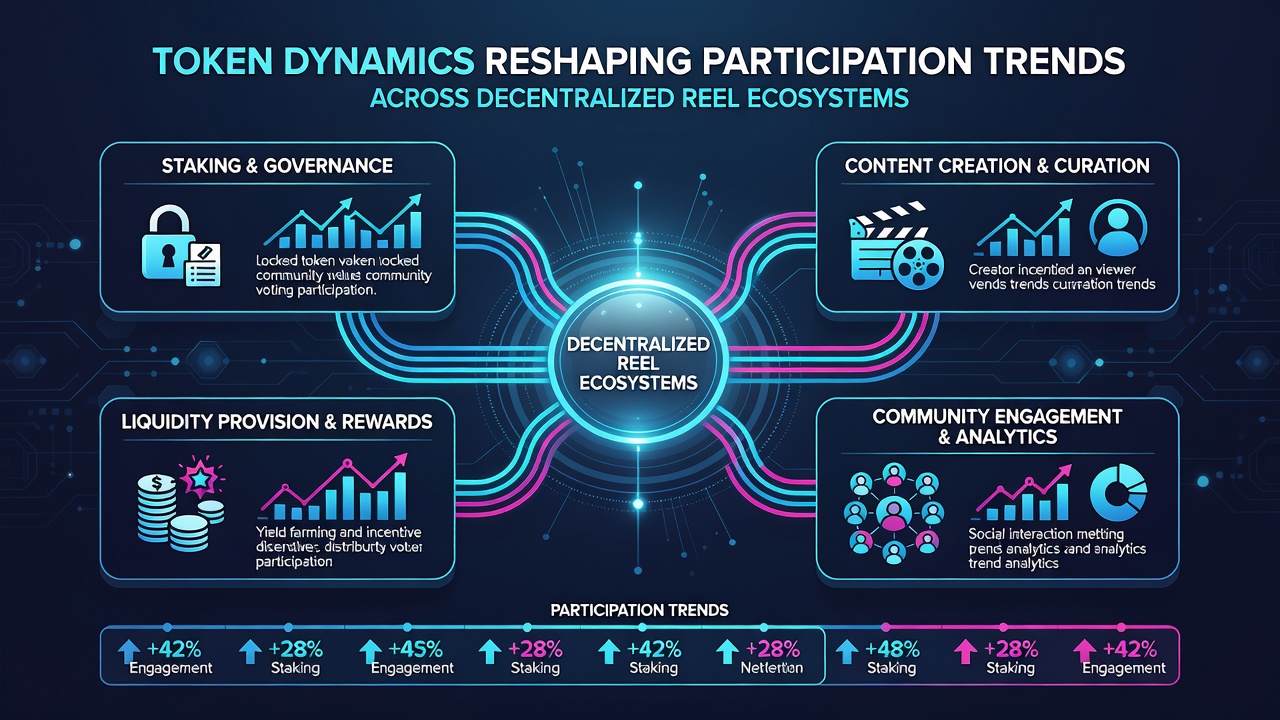
Industry reports from organizations such as the Global Blockchain Gaming Association document cases where adjustments to reward curves produced immediate spikes in delegation activity, and these events occurred most often after community votes ratified new emission formulas. Participants who previously held small balances frequently increased their positions following such changes, according to on-chain data aggregated across several proof-of-stake environments.
Incentive Alignment and User Behavior
Evidence collected by research teams at European universities demonstrates that ecosystems integrating progressive staking tiers experienced steadier participation curves rather than the sharp peaks and troughs seen in flat reward systems. Token holders respond to tiered benefits by extending lock-up commitments, which in turn reduces circulating supply available for short-term trading and stabilizes protocol reserves used for reel prize pools.
One documented example involves a mid-tier network that introduced time-weighted voting after observing declining proposal turnout, resulting in measurable increases in both proposal submissions and voter participation within four months. Similar patterns appear in reports covering platforms operating across multiple geographic regions, suggesting the dynamic extends beyond isolated implementations.
Cross-Platform Comparisons and Data Trends
Comparative analyses performed by independent research bodies reveal that reel ecosystems built on layer-two scaling solutions recorded faster growth in unique wallet interactions during 2026 when paired with token designs that reward cross-protocol liquidity provision. These configurations allow users to maintain exposure to multiple reel environments without repeated bridging fees, and participation data indicates higher average session counts under such conditions.
Network telemetry further shows that transparency features embedded in token contracts, including real-time treasury dashboards, correlate with longer user tenures across sampled populations. Observers attribute this outcome to increased visibility into how collected fees redistribute among active participants and reserve accounts.
Conclusion
Token dynamics continue to reshape participation across decentralized reel ecosystems through evolving incentive structures, governance mechanisms, and cross-chain capabilities, with data through November 2026 confirming ongoing adjustments in user behavior tied to these elements. Regulatory developments in regions outside traditional markets add additional layers of complexity that platforms must navigate while maintaining on-chain transparency. Continued monitoring by academic and industry groups will likely provide further insight into how these systems stabilize or evolve in response to shifting token parameters.